


International Polar bear Day

Period: 2/27 (Fri) - 3/1 (Sun)
To coincide with International Polar bear Day on February 27th, we will be holding an event to introduce the ecology and current situation of Polar bear, as well as the efforts being made at Sea Paradise.
What is "International Polar bear Day"?
The Polar Bears International, a conservation organization based in the United States and Canada, established this day every year on February 27th.
This was established with the aim of protecting polar bears, who are now at risk of extinction due to the reduction of sea ice in the Polar bear, where they live, caused by global warming.
Learn more about Polar bear at Sea Paradise
Polar bear exhibit
Polar bear have been living at Sea Paradise for over 30 years. Come and see them walking, swimming, eating, sleeping, and more.
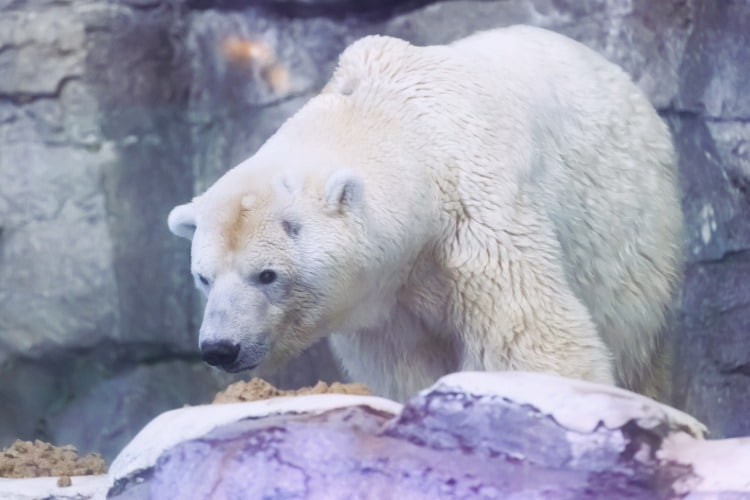
| Scientific name | Ursus maritimus |
|---|---|
| classification | Mammalia, Order Carnivora, Family Ursidae, Genus Ursus |
| Exhibition time | Same as Aqua Museum opening hours |
| place | Aqua Museum 1F LABO4 "Animals living in ice sea" |
Special commentary will be held during "Polar Animal Lecture Time"!
The zookeepers will explain Polar bear' behavior and the food they are given! You can also watch Polar bear eating their meal while listening to the explanation.
| Schedule | 1. 2/27 (Fri) 2) February 28th (Sat), March 1st (Sun) |
|---|---|
| time | 1. From 13:15 ➁From 12:15 Approximately 20 minutes each |
| place | Aqua Museum 1F LABO4 "Animals living in ice sea" |
Poster display
Is Polar bear fur colorless and transparent? We will introduce the ecology of Polar bear, the current situation in their Arctic habitat, and their relationship with humans.
| Schedule | February 27th (Friday) - March 1st (Sunday) |
|---|---|
| time | Same as Aqua Museum opening hours |
| place | Aqua Museum 1F LABO4 front atrium area |
The current situation of the endangered Polar bear
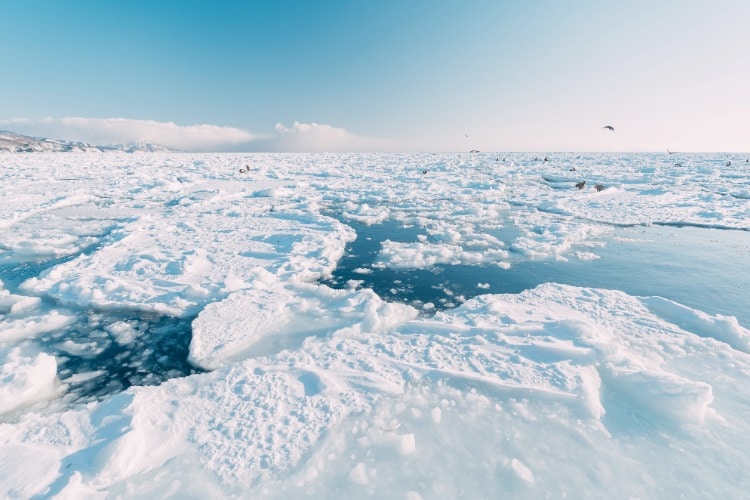
Polar bear population is declining year by year, and the International Union for Conservation of Nature (IUCN) has classified Polar bear as vulnerable (VU) on its Red List of endangered species.
One of the reasons for this is the decline in sea ice. Global warming is progressing at a particularly fast pace in the Arctic compared to other regions, and rising air and sea temperatures have led to a long-term decline in sea ice.
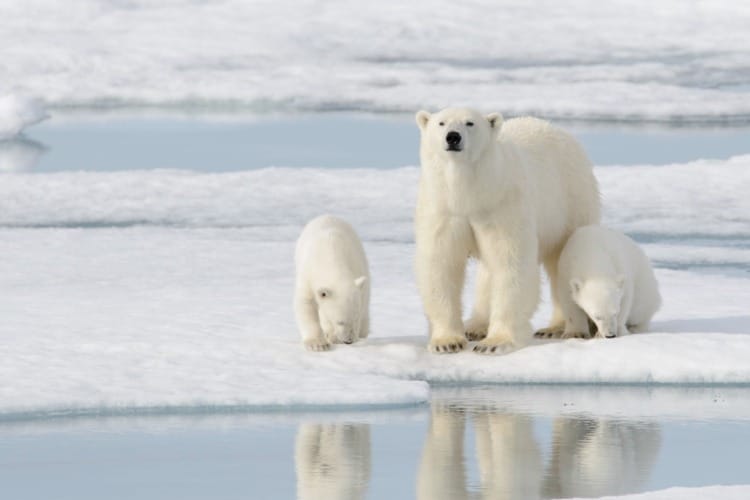
A decrease in sea ice has various effects on Polar bear, such as reducing the areas they can use for hunting and denning, and increasing their energy demands due to longer swimming distances. These factors have been reported to be leading to nutritional deficiencies in Polar bear.
On the other hand, in other areas, it has been reported that the reduction in seawater surface area has increased seal density, making them more efficient at hunting, and allowing them to eat enough food and maintain good body condition.
In this way, a combination of factors caused by global warming is affecting Polar bear.